

Transform Your Cluttered Garage With Custom Storage That Actually Works
Your garage has become a chaotic dumping ground where you can never find what you need, wasting precious time and patience. Custom garage storage transforms this clutter into a perfectly organized system with tailored cabinets, shelving, and wall panels that fit your exact space and gear. This solution maximizes every square inch by using vertical space and specialized compartments, making tools, sports equipment, and seasonal items instantly accessible. You reclaim your garage as a functional, stress-free zone where everything has a dedicated home.
What Makes Tailored Garage Organization Different From Off-the-Shelf Units
Tailored garage organization begins with a precise site measurement, ensuring every cabinet and rack fits your specific wall dimensions, angles, and obstacles like support beams or irregular corners. Unlike off-the-shelf units with fixed widths, custom garage storage is built to fill vertical dead space and accommodate non-standard layouts, maximizing every square inch. This design process prioritizes your unique tool inventory and vehicle clearance needs, allowing for specialized slots for long-handled tools or heavy-duty shelving rated for your specific load requirements. Off-the-shelf systems often force compromises on depth and layout, whereas tailored solutions integrate seamlessly with existing structures, eliminating awkward gaps and wasted zones.
How a Personalized System Adapts to Your Vehicle, Tools, and Hobbies
A personalized garage system meticulously measures your vehicle’s dimensions to create a dedicated parking bay with optimized clearance, while modular tool drawers are reconfigured around your specific socket sets and power tools. For hobbies, adjustable shelving or a vertical bike rack is precisely positioned to store gear like kayaks or camping equipment without crowding your workflow. This ensures every inch is customized for your exact equipment, eliminating wasted space and providing instant access exactly where you need it.
A personalized system adapts by mapping your vehicle’s size, laying out your tools by frequency of use, and anchoring your hobby gear in dedicated zones, making every action efficient and clutter-free.
The Key Components That Make a Bespoke Setup More Functional

A bespoke garage setup achieves superior functionality through components tailored to exact spatial and user demands. Custom drawer systems and adjustable shelving eliminate wasted vertical and deep-reach space, unlike fixed off-the-shelf units. Reinforced corner pull-outs and tilt-down bins transform dead zones into accessible storage for heavy tools or sports gear. Integrated workbench overhangs with built-in power strips and pegboard backs combine preparation and tool storage in one footprint. Purpose-built motorcycle or bike cradles, slatwall with specialized clips, and ceiling-mounted overhead racks for kayaks or ladders each solve specific clutter problems. These components together ensure every inch serves a defined purpose, preventing the vertical and deep-storage inefficiency common in generic systems.
| Functional Component | Bespoke Advantage vs. Off-the-Shelf |
|---|---|
| Corner pull-out | Full access to dead space; no wasted cabinet depth |
| Adjustable shelving with dividers | Locks in place for tall or wide items; no leaning |
| Integrated workbench overhang | On-site cutting/prep surface; power & tool storage unified |
| Ceiling rack with winch | Lifts kayak/bike to ceiling; frees floor zone completely |
How to Plan a Layout That Maximizes Every Inch of Floor and Wall Space
To maximize every inch, start by claiming your vertical territory with custom garage storage systems. Install slatwall or floor-to-ceiling cabinets for infrequently used items, freeing valuable floor space. Then, implement a modular overhead rack system for bulky gear like kayaks or seasonal tires. For the layout that maximizes every inch of floor and wall space, designate zones—such as a “power tool wall” and a “sports corner”—using a pegboard or custom shelving. Avoid wasted corners with a fixed corner cabinet or angled shelves. Measure your car’s clearance strictly, then build around it, ensuring every square foot of wall and floor has a defined, accessible purpose.
Measuring Your Garage and Mapping Out Zones for Parking, Work, and Storage
Begin by measuring your garage’s total length, width, and height, noting obstructions like water heaters or support beams. Then, define zone mapping for custom storage by marking parking dimensions for your vehicle with tape on the floor, ensuring door clearance. Allocate a workshop zone near a power source, keeping tool cabinets within arm’s reach, while designating a storage zone along unused walls for shelving or overhead racks. Draw these zones on your floor plan to confirm each area fits without overlap, maximizing every inch of floor and wall space through precise spatial allocation.

Choosing Between Floor-Mounted, Wall-Attached, and Overhead Solutions
Selecting between floor-mounted, wall-attached, and overhead solutions hinges on how you use each zone. Floor-mounted cabinets or workbenches anchor heavy tools and create stable surfaces, but they consume valuable square footage. Prioritize wall-attached systems for daily-use items like hand tools or bikes, keeping them accessible without eating into floor space. Overhead racks excel for seasonal gear or bulky storage, yet require clearance and easy retrieval methods. A common mistake is over-committing to one type, when a hybrid mix actually belts out the most efficiency. Map your workflow first, then assign each system to its specific task to truly maximize every inch.
Which Materials and Finishes Offer the Best Durability for a Busy Garage
The mud-caked boot kicked against the lower cabinet door again, but the powder-coated, 16-gauge steel face barely registered the blow. For daily abuse in a custom garage, welded steel cabinets with a textured powder finish outlast everything, resisting chips from dropped wrenches and spider-cracks from temperature swings. A common question: *Which floor finish holds up under constant rolling of a storage toolbox?* The answer is a heavy-duty, epoxy-based flake coating, not paint, as it bonds into a seamless, impact-resistant shell. Alongside steel, thick marine-grade polymer slatwall panels handle hooks and bracket pressure without snapping, unlike thin PVC or raw MDF which sag and blister from oil drips. The real-world test is a weekend mechanic sliding a transmission across the workbench: stainless steel tops, with their non-absorbent surface, survive the grease and solvent wipes that would ruin butcher block in a season.
Comparing Heavy-Duty Steel, Plywood, and Aluminum for Cabinets and Shelves
When comparing heavy-duty steel, plywood, and aluminum for cabinets and shelves in a custom garage storage system, each offers distinct trade-offs. Steel provides unmatched load-bearing capacity and resistance to impact, making it ideal for holding heavy tools and equipment, but it is susceptible to scratches and rust without a robust coating. Plywood, particularly marine-grade, offers a high strength-to-weight ratio and easy customization, though it can absorb moisture and warp in humid conditions. Aluminum strikes a balance, being lighter than steel and inherently corrosion-resistant, yet it can dent under concentrated loads and typically costs more per linear foot. For long-term use in a busy garage, heavy-duty steel cabinets excel for static storage of heavy items, while plywood works best for adaptable shelving, and aluminum suits overhead or wall systems where weight is a primary concern.
Why Sealed Slatwall and Perforated Panels Outperform Pegboard
For a busy garage, sealed slatwall and perforated panels dramatically outperform pegboard because they resist the sagging, cracking, and moisture absorption that cripples standard pegboard. Unlike pegboard’s weak, open holes, sealed slatwall’s reinforced grooves hold heavy tools without stripping, while perforated panels offer a rigid steel structure that will not warp under load. This creates a far more durable storage surface that endures daily impacts and weight without failure, keeping your custom system organized and intact for years rather than weeks.

Smart Features That Make Your Custom System More Convenient Every Day
A custom garage storage system becomes incredibly convenient with a few smart features. Motion-activated lighting inside cabinets and along shelving means no fumbling for a switch when your hands are full. Integrated power strips and USB ports let you charge batteries or plug in tools directly where they are stored, eliminating clutter. Soft-close drawers and heavy-duty slides protect your gear and reduce noise. For quick access, labeled bins and pull-out racks keep everything visible, while automated inventory tracking via an app tells you exactly which bin holds your camping stove or holiday decorations, saving time wasted on searching.
Integrating Sliding Drawers, Pull-Out Bins, and Tilt-Down Baskets
Integrating sliding drawers, pull-out bins, and tilt-down baskets transforms a static wall of shelves into a high-performance hub. Sliding drawers allow you to retrieve a wrench or power tool from the back without excavating a pile, making them ideal for heavy items like automotive gear. Pull-out bins excel for bulkier goods, such as pet food or sports equipment, rolling forward effortlessly so nothing gets buried. Meanwhile, tilt-down baskets provide quick access to small, frequent-used items like spray cans or gloves, dropping forward at a safe angle. This trio creates a seamless workflow, turning chaotic storage into effortless retrieval in your custom garage storage.
Adding Lockable Compartments for Hazardous Items or Valuable Gear
Adding lockable compartments for hazardous items or valuable gear is a game-changer for custom garage storage. These dedicated, secure zones let you store chemical cleaners, sharp tools, or expensive electronics safely out of reach. Your paint thinners, power tools, or bike gear stay organized yet completely off-limits to kids or wandering hands. It makes daily life simpler because you never have to second-guess where something dangerous or precious is stashed. Integrate a secure garage storage compartment directly into your cabinets or shelving for that perfect blend of accessibility and peace of mind.
How to Prioritize Storage for Big Items Like Bikes, Ladders, and Sports Gear
The old ladder always crashed down when I grabbed the camping bin, so I learned to prioritize by frequency of use. In custom garage storage, bikes and sports gear get the wall via vertical hooks or ceiling hoists, keeping them off the floor and instantly accessible. Ladders need a dedicated overhead rack or a tall sidewall mount, freeing precious floor space for vehicles. The real shift is realizing that the rarely-used canoe deserves the hardest-to-reach corner, while daily bikes ride at eye level. It’s not about fitting everything—it’s about making the garage work for your next trip, not your last mess.
Vertical Racks and Ceiling Hoists for Bulky Equipment That Gets Limited Use
For bulky equipment with limited use, such as kayaks or seasonal ladders, vertical racks and ceiling hoists optimize dead overhead space. Vertical racks mount against a wall, holding items upright to minimize floor footprint, while ceiling hoists use pulley systems to lift gear flush against the garage ceiling. Prioritize hoists for heavy, awkward loads—like a canoe—since they distribute weight safely via straps, keeping the equipment accessible yet completely out of daily traffic. Vertical racks suit narrower, tall items like stand-up paddleboards, allowing quick slide-in storage without requiring a stool. Both methods rigorously isolate these seldom-used tools, preventing them from interfering with frequently accessed storage below.

Creating a Dedicated Station for Gardening Tools or Automotive Supplies
For a custom garage, dedicated gardening and automotive stations rely on vertical zoning to reclaim floor space. Mount a slatwall or pegboard above a deep workbench for hand tools, securing long-handled rakes and shovels with vertical clips against the wall. For automotive supplies, install a heavy-duty steel cabinet with lockable drawers for fluids and batteries, reserving lower shelves for floor jacks or oil pans.
- Anchor a wall-mounted broom holder to keep garden tools off the ground.
- Use a magnetic strip for frequently used wrenches or pruners.
- Allocate a wall-mount duct system for storing extension cords and garden hoses coiled overhead.
This eliminates floor clutter and keeps each supply group instantly accessible.
Common Mistakes to Avoid When Designing Your Own Garage System
A critical mistake in custom garage storage is ignoring vertical space, leading to a crowded floor. Avoid designing fixed shelving before accounting for large, infrequently used items like kayaks or ladders; these require adjustable or ceiling-mounted tracks to remain accessible. Another common error is underestimating the depth needed for lawn equipment or vehicle doors, which renders planned cabinets useless. Do not finalize a layout without staging your actual tools and containers—standard measurements often fail for irregular gear like sports equipment. Finally, resist the urge to buy all storage at once; a phased approach prevents costly mismatches. Prioritize a flexible grid system from the start to allow reconfiguration as your garage needs evolve.
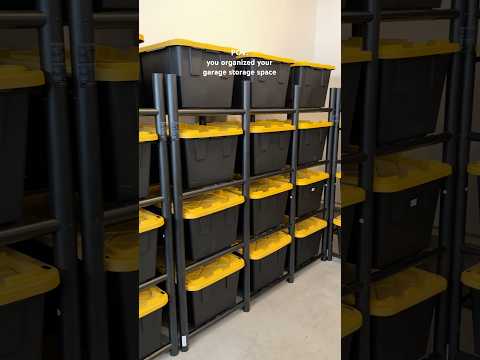
Overlooking Clearance for Car Doors, Workbench Access, and Aisle Flow
Failing to map out your car door swing, workbench zone, and main aisles is a setup for daily frustration. You’ll constantly shuffle sideways or dent your vehicle’s paint. Always open your vehicle fully and measure from the door’s widest arc to the nearest cabinet or post—then add six inches. Your workbench needs at least three feet of open floor in front so you can actually pull out a drawer or stool without bumping your tailbone. Main aisles should never be narrower than four feet to let two Orga Spaces garage makeovers people pass or haul boxes. Ignoring these dimensions turns storage into a maze. **Planning clearance zones first saves your knuckles, your car, and your sanity.
Q: What’s the biggest clearance mistake people make with their workbench?
A: They leave just enough room to stand, but not enough to open lower cabinet doors, roll a toolbox over, or crouch to reach a power strip—so they end up parking their hardware cart in the driveway.
Choosing Style Over Structure That Can’t Support Your Actual Heavy Loads
A visually appealing system with slatted panels or thin wire shelving may look modern, but these materials often fail under the weight of lumber, tools, or heavy storage bins. The critical error is prioritizing aesthetics over load-bearing capacity. Always verify weight limits per linear foot, as many stylish units are designed for light household items. Prioritize structural load ratings for heavy garage loads to prevent sagging shelves or collapsed brackets.
- Check manufacturer’s weight limit for each shelf or rail, not the total system rating.
- Reinforce wall attachment with lag bolts into studs, not drywall anchors.
- Use steel or heavy-duty aluminum frames instead of plastic or thin-gauge metal.
- Avoid open-wire shelving for dense items like stacked paint cans or tool chests.